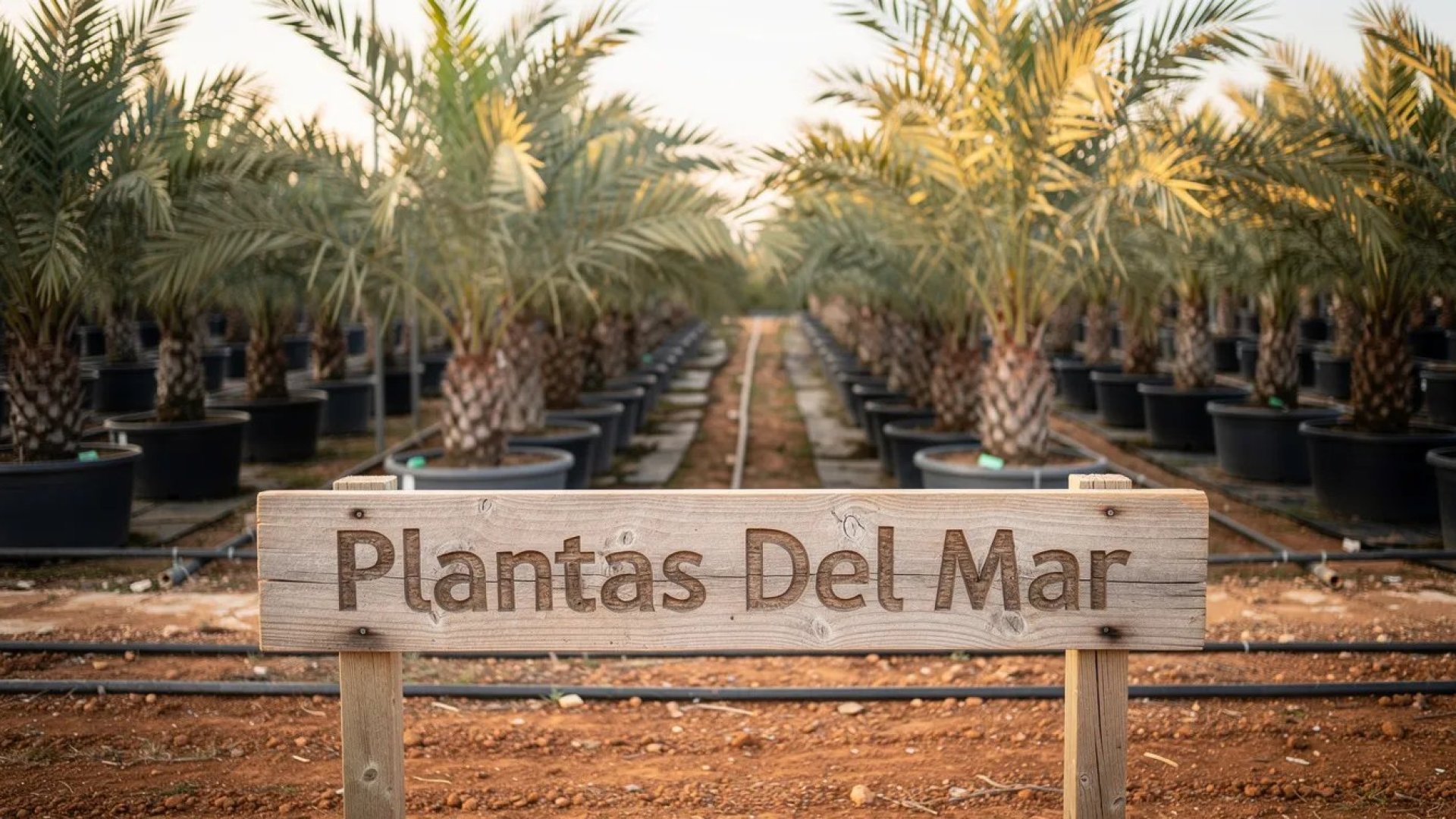
Coastal and Mediterranean landscaping projects come with a unique set of demands. Salt-laden winds, thin and sandy soils, intense summer heat, and prolonged dry periods can defeat even the most carefully considered planting schemes. Yet the landscapes that line the Mediterranean coastline are among the most breathtaking in the world, and that is no accident. The plants that thrive there have spent thousands of years adapting to precisely those conditions.
At Plantas Del Mar, we supply landscape architects, garden centres, and professional landscapers with the authentic Mediterranean species that make drought-resilient coastal design not only achievable, but genuinely spectacular. In this guide, we walk through the key principles behind this approach and show you which plants to reach for at every layer of your design.
Why Drought Resilience Should Be a Design Priority
Water scarcity is no longer a seasonal inconvenience in southern Europe and beyond. Extended drought cycles are placing real pressure on irrigation infrastructure, maintenance budgets, and planning requirements across coastal developments. Forward-thinking landscape architects are increasingly being asked by developers and municipalities to specify plants that perform well with minimal irrigation once established.
Drought-resilient design is not about accepting a sparse or utilitarian result. When you draw from the right plant palette, it means lush evergreen canopies, aromatic planting borders, structural focal points, and year-round visual interest. The Mediterranean flora available through Plantas Del Mar delivers all of that without the ongoing water dependency that comes with less adapted species.
Designing in Layers: Structure, Infill, and Ground Cover
The most successful drought-resilient coastal landscapes are built in three distinct layers. Each layer has a specific function, and choosing the right species for each is where professional expertise makes the difference.
The Structural Layer: Trees and Anchoring Specimens
Structural plants set the tone of any design. They provide shade, define spaces, and create the lasting visual identity of a project. For coastal and Mediterranean environments, the structural layer needs to be both architecturally compelling and genuinely resilient.
- Olive Tree: Few plants carry the same cultural and aesthetic weight as the olive tree. Its sculptural, gnarled trunk and silver-green canopy deliver instant character and a sense of permanence that is difficult to achieve with younger or less distinctive species. The olive tree is highly drought-tolerant and long-lived, making it an outstanding investment for premium residential and commercial projects alike.
- Stone Pine: The stone pine is one of the most recognisable silhouettes across the Mediterranean coastline. Its broad, flat-topped canopy casts generous shade and gives large outdoor spaces a sense of scale and grandeur. It is highly adaptable to sandy, well-drained coastal soils and produces edible pine nuts, which adds a functional and storytelling dimension to resort and hospitality projects.
- Carob Tree: Often overlooked in favour of more fashionable species, the carob tree is quietly one of the most valuable trees in the Mediterranean planting palette. Its dense, dark evergreen canopy provides exceptional shade, it thrives in poor and rocky coastal soils, and its edible pods carry a rich historical narrative that resonates strongly with clients seeking authenticity in their projects.
- European Fan Palm: The only palm native to continental Europe, the European fan palm brings an unmistakable Mediterranean character to seafront and resort developments. Its multi-stemmed, compact form makes it highly versatile, and its natural tolerance for salt spray and coastal winds means it performs reliably in the most exposed positions where other species would struggle.
The Infill Layer: Shrubs That Define Character
Once the structural layer is established, shrubs bring texture, density, and seasonal interest to the mid-storey of the planting scheme. In a drought-resilient design, this layer does much of the work in terms of suppressing weeds, retaining soil moisture, and creating a naturalistic sense of abundance.
- Mastic Tree: Pistacia lentiscus is one of the most adaptable and rewarding shrubs available for Mediterranean coastal planting. Its glossy, dense foliage provides a rich green backdrop throughout the year, while its striking red to black berries add seasonal colour. It tolerates salt, wind, and drought with ease, and is increasingly specified by landscape architects working on naturalistic and ecologically sensitive planting designs.
- Bird of Paradise: For projects where visual drama is a priority, the bird of paradise delivers exceptional impact. Its vivid orange and electric blue flowers are unmistakable, and its bold, tropical-looking form sits surprisingly well within Mediterranean planting contexts. It thrives in warm, sunny coastal climates and is a premium choice for high-end residential terraces, hotel gardens, and resort landscaping.
- Rosemary: Rosemary is one of those species that earns its place in a planting scheme on multiple counts. It is deeply rooted in Mediterranean culture, performs well in poor and dry coastal soils, produces delicate blue flowers with strong pollinator appeal, and offers the dual role of ornamental plant and culinary herb. For commercial projects with a food-and-wellbeing narrative, rosemary is a particularly marketable choice.
The Ground Cover Layer: Holding It Together
The ground layer in a drought-resilient design performs a vital practical function, binding the soil, reducing surface evaporation, and suppressing weed competition. It also contributes significantly to the sensory and aesthetic experience of the finished landscape.
- Common Lavender: Lavender is a cornerstone of the Mediterranean garden and with very good reason. It delivers fragrant violet blooms, fine silvery foliage, and outstanding drought tolerance across a wide range of climates. As a border plant, groundcover, or mass planting in commercial and residential settings, it is both highly practical and extremely marketable. Its strong appeal to pollinators also supports biodiversity commitments that are increasingly built into development briefs.
Key Principles for Specifying Drought-Resilient Mediterranean Plants
Choosing the right species is only part of the process. The way those plants are specified, prepared, and established on site will determine how quickly they reach their full potential and how minimal their long-term maintenance requirements are. At Plantas Del Mar, we work closely with professional buyers to ensure that every order is matched to the conditions of the intended project.
When specifying Mediterranean species for drought-resilient coastal designs, keep the following principles in mind. First, always match root stock maturity to the scale and timeline of the project. Larger specimen trees such as mature olives and stone pines create an immediate sense of establishment and reduce the risk of early failures in exposed coastal positions. Second, group plants by water need and exposure tolerance. Placing highly drought-tolerant species such as the mastic tree and carob alongside plants with slightly higher moisture requirements creates unnecessary irrigation complexity and can compromise the performance of the hardier species. Third, think carefully about soil preparation. Even the toughest Mediterranean plants benefit from correct initial establishment. Sandy coastal soils in particular may need organic matter incorporated at planting, though excessive enrichment can actually discourage the deep root systems that give these species their long-term drought resilience.
Working with Plantas Del Mar on Your Next Project
Plantas Del Mar supplies professional buyers across Europe with wholesale quantities of authentic Mediterranean and coastal species. Whether you are specifying plants for a large resort development, a coastal residential project, or a commercial urban landscape, our team understands the technical demands of these environments and can advise on species selection, sizing, and availability throughout the growing season.
Our range includes all of the species featured in this guide, grown and sourced to meet the standards that professional landscapers, garden centres, and architects expect. We are committed to supporting the shift towards more sustainable, water-wise landscape design by making the best of the Mediterranean plant palette consistently accessible at wholesale scale.
If you are planning a project that calls for resilient, characterful, and professionally sourced Mediterranean plants, get in touch with the team at Plantas Del Mar. Where the Sea Meets the Soil, we have the plants to bring your vision to life.