STORY
ABOUT THE Lavandula angustifolia
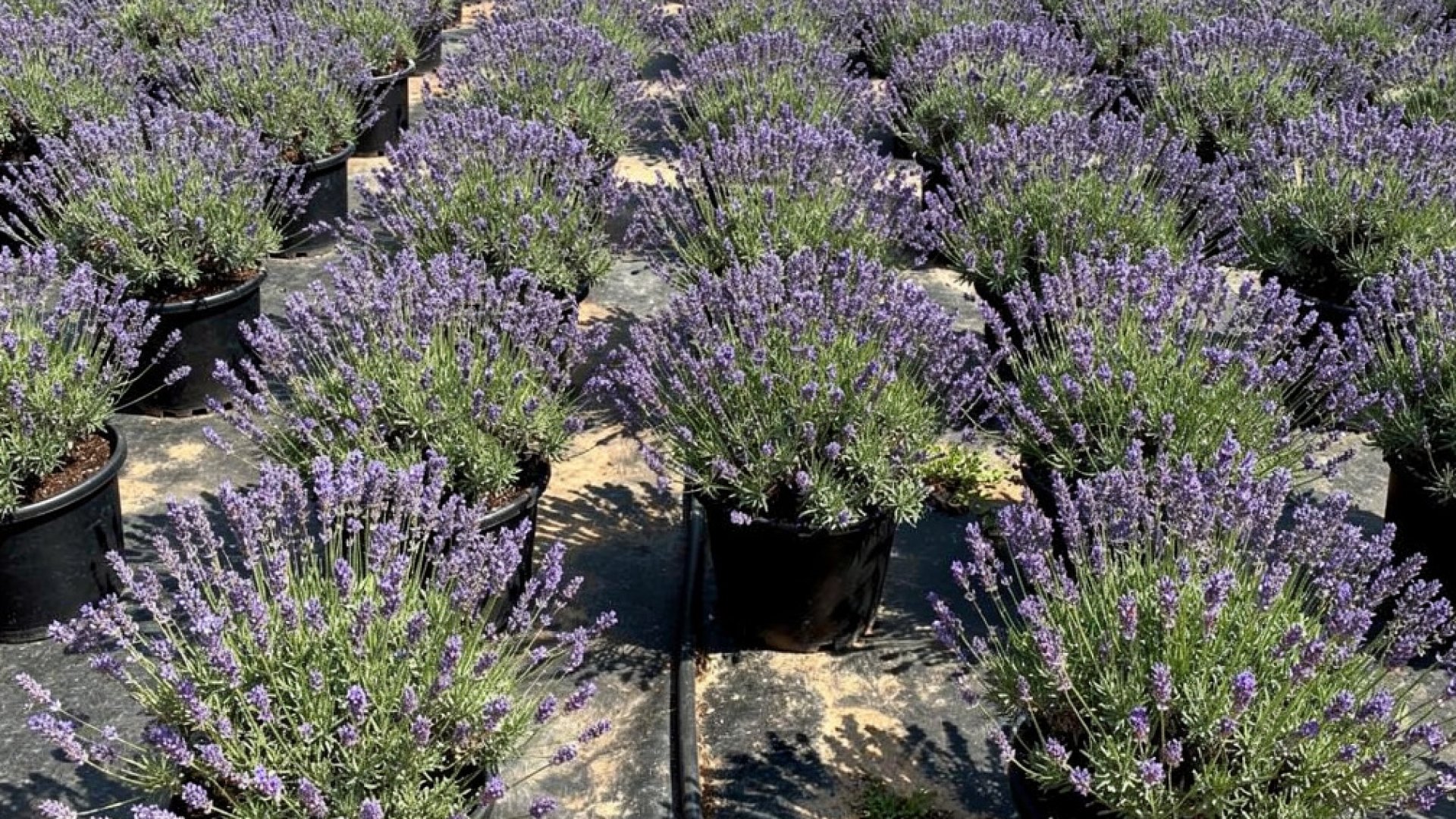
A staple of Mediterranean gardens, common lavender delivers fragrant violet blooms, fine silvery foliage, and outstanding drought tolerance across a wide range of climates. It excels as a border plant, groundcover, or mass planting in commercial and residential projects. Its appeal to pollinators and its aromatic qualities make it a reliable and highly marketable product for professional buyers.
AVAILABLE DIMENSIONS
SELECT YOUR IDEAL SIZE
PLANT DETAILS
EVERYTHING YOU NEED TO KNOW
DETAILS
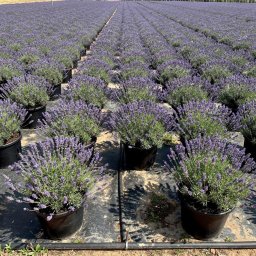
Lavandula angustifolia, commonly known as Common Lavender, belongs to the family Lamiaceae. It is a compact, mounding evergreen subshrub reaching 40 to 80 cm in height and spread. The narrow, linear leaves display a distinctive silvery-grey hue due to a dense covering of fine hairs, providing year-round ornamental interest.
Flowering occurs from late spring through midsummer, producing slender upright spikes of fragrant violet-purple blooms highly attractive to pollinators. Mature plants develop a woody base with soft, aromatic growth above. This species is widely sourced from Mediterranean nurseries, making it a sought-after option when looking to buy wholesale Lavandula angustifolia for large-scale projects.
Flowering occurs from late spring through midsummer, producing slender upright spikes of fragrant violet-purple blooms highly attractive to pollinators. Mature plants develop a woody base with soft, aromatic growth above. This species is widely sourced from Mediterranean nurseries, making it a sought-after option when looking to buy wholesale Lavandula angustifolia for large-scale projects.
GROWING
Common Lavender thrives in well-drained, lean to moderately fertile soils with a slightly alkaline to neutral pH range of 6.5 to 8.0. It demands full sun exposure of at least 6 to 8 hours daily to achieve optimal flowering and compact habit. Overwatering or heavy clay soils significantly reduce plant vigour and longevity.
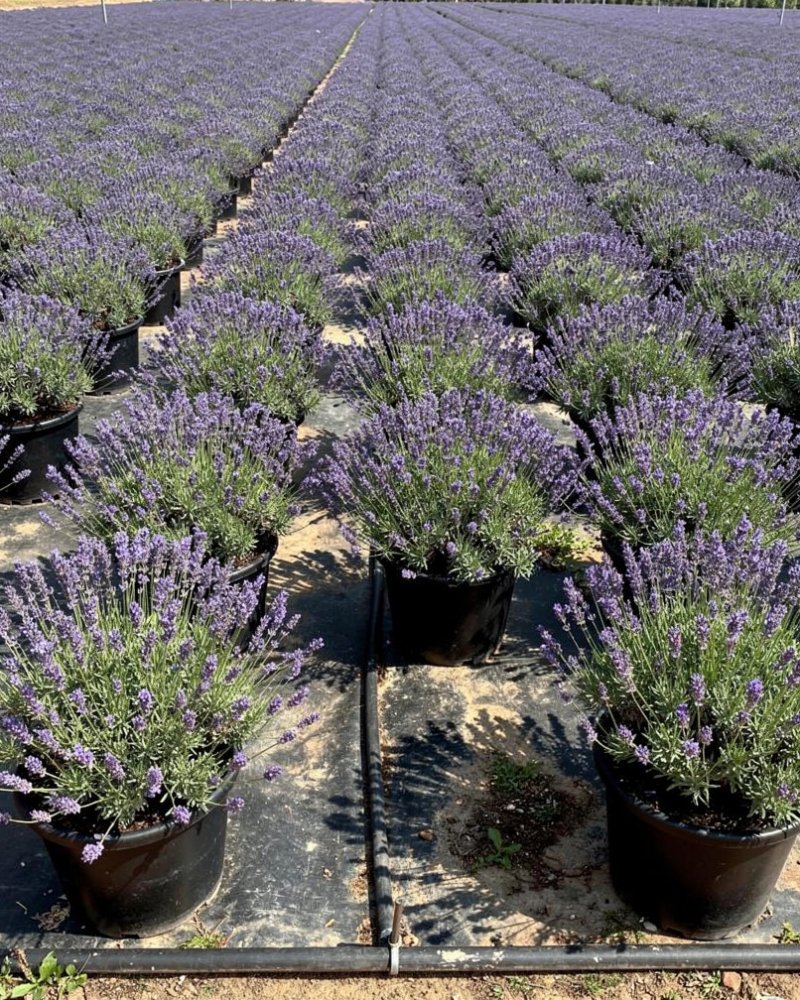
Once established, this species has low to moderate water requirements, making it highly efficient for water-conscious projects. Growth rate is moderate, with plants reaching saleable size within one growing season under nursery conditions. Wholesale Lavandula angustifolia nursery stock is typically supplied in 1L to 3L containers.
Once established, this species has low to moderate water requirements, making it highly efficient for water-conscious projects. Growth rate is moderate, with plants reaching saleable size within one growing season under nursery conditions. Wholesale Lavandula angustifolia nursery stock is typically supplied in 1L to 3L containers.
CLIMATE
Lavandula angustifolia is reliably hardy across USDA zones 5 to 8, tolerating winter temperatures down to approximately minus 20 degrees Celsius with proper drainage and airflow. It performs exceptionally well in Mediterranean, semi-arid, and temperate continental climates with warm dry summers and cool winters.
This species shows strong drought tolerance once established and handles coastal exposure reasonably well, though salt-laden winds may cause some foliage scorch. It is less suited to humid subtropical climates where fungal issues can arise. Microclimate considerations such as south-facing slopes and raised beds improve cold hardiness and overall performance in marginal zones.
This species shows strong drought tolerance once established and handles coastal exposure reasonably well, though salt-laden winds may cause some foliage scorch. It is less suited to humid subtropical climates where fungal issues can arise. Microclimate considerations such as south-facing slopes and raised beds improve cold hardiness and overall performance in marginal zones.
LANDSCAPING
Common Lavender is ideal for border edging, mass plantings, sensory gardens, pollinator corridors, and low-maintenance commercial landscapes. It pairs excellently with Rosmarinus officinalis, Salvia species, Stipa grasses, and Cistus for cohesive Mediterranean-themed designs. Recommended spacing for mass planting is 40 to 60 cm on centre, depending on the desired effect.
For wholesale buyers sourcing Lavandula angustifolia from Spain or other Mediterranean nurseries, plants in 1L containers offer excellent freight efficiency with manageable pot weights typically under 1 kg. Larger 3L stock provides immediate landscape impact. Ensure adequate ventilation during transport to prevent heat stress and foliage deterioration.
For wholesale buyers sourcing Lavandula angustifolia from Spain or other Mediterranean nurseries, plants in 1L containers offer excellent freight efficiency with manageable pot weights typically under 1 kg. Larger 3L stock provides immediate landscape impact. Ensure adequate ventilation during transport to prevent heat stress and foliage deterioration.
CARE
Annual pruning is essential to maintain compact habit and maximise flowering. Prune lightly after the first flush of bloom and perform a more substantial cut in early autumn or early spring, removing up to one third of growth but never cutting into old woody stems. Avoid hard renovation pruning on established plants older than five years.
Fertilisation requirements are minimal. A light application of a low-nitrogen, balanced fertiliser in early spring is sufficient. Common Lavender shows good resistance to most pests and diseases when grown in well-drained conditions. In high-humidity climates, Botrytis and Phytophthora can occur. No significant winter protection is needed within its hardiness range when drainage is adequate.
Fertilisation requirements are minimal. A light application of a low-nitrogen, balanced fertiliser in early spring is sufficient. Common Lavender shows good resistance to most pests and diseases when grown in well-drained conditions. In high-humidity climates, Botrytis and Phytophthora can occur. No significant winter protection is needed within its hardiness range when drainage is adequate.