STORY
ABOUT THE Pistacia lentiscus
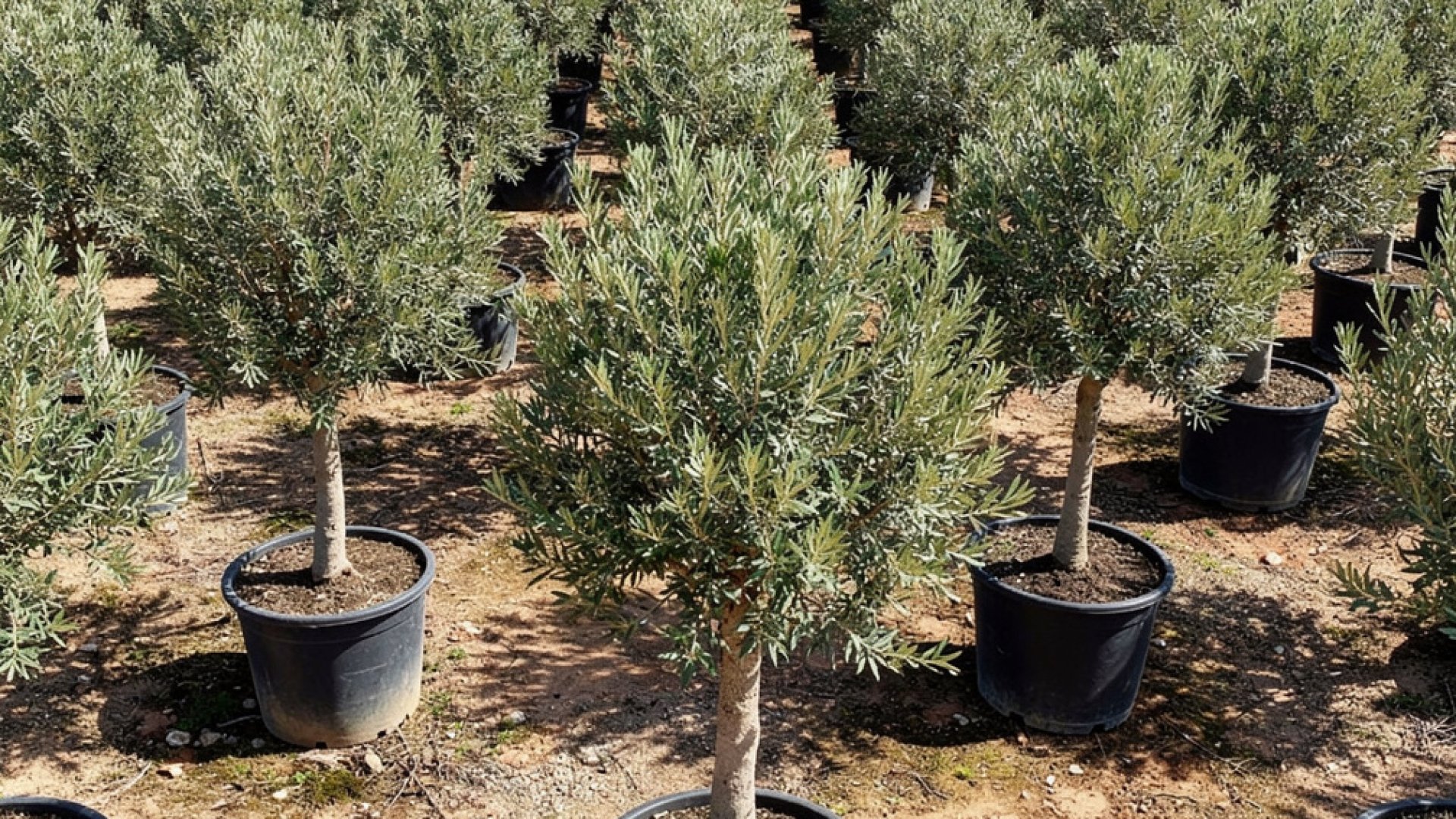
Pistacia lentiscus is a resilient evergreen shrub or small tree native to the Mediterranean scrubland, valued for its dense, glossy foliage and striking red to black berries. It performs exceptionally well in coastal environments, tolerating salt, wind, and drought with ease. This species is increasingly sought after by landscape architects looking for authentic, low-maintenance Mediterranean vegetation for naturalistic planting designs.
AVAILABLE DIMENSIONS
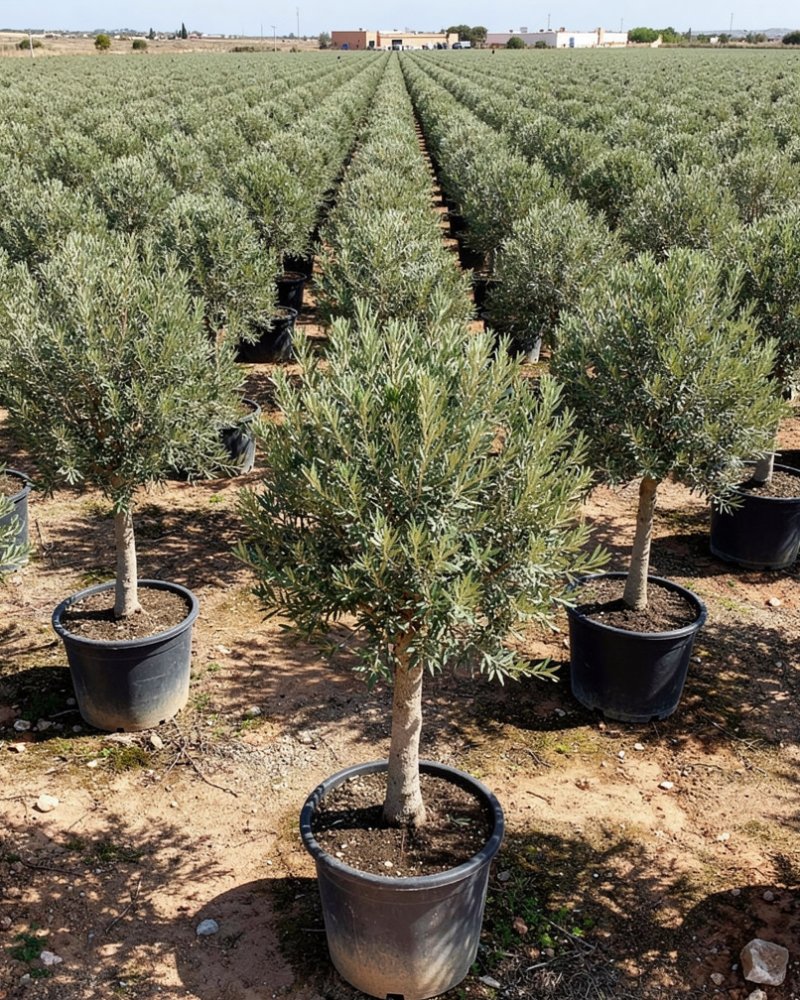
SELECT YOUR IDEAL SIZE
PLANT DETAILS
EVERYTHING YOU NEED TO KNOW
DETAILS
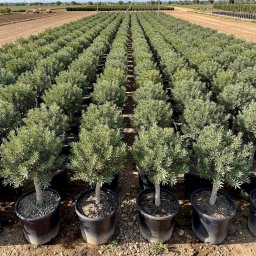
Pistacia lentiscus (Mastic Tree) belongs to the Anacardiaceae family and grows as a dense evergreen shrub or small multi-stemmed tree. It features pinnate, leathery dark green leaves with a distinctive resinous fragrance. Small inconspicuous flowers appear in spring, giving way to clusters of berries that ripen from red to deep black, providing strong ornamental interest through autumn and winter.
At maturity, Pistacia lentiscus typically reaches 2 to 5 metres in height and spread, though growth is slow and compact. Its naturally rounded, bushy habit makes it a structurally reliable species. The resinous sap, historically harvested as mastic gum on Chios, adds cultural and commercial significance to this versatile Mediterranean native.
At maturity, Pistacia lentiscus typically reaches 2 to 5 metres in height and spread, though growth is slow and compact. Its naturally rounded, bushy habit makes it a structurally reliable species. The resinous sap, historically harvested as mastic gum on Chios, adds cultural and commercial significance to this versatile Mediterranean native.
GROWING
Pistacia lentiscus thrives in well-drained, sandy or rocky soils with a slightly acidic to alkaline pH range of 6.0 to 8.5. It requires full sun for optimal density and fruiting, though it tolerates partial shade without significant decline. Established plants are highly drought-tolerant and require minimal irrigation, making them cost-effective for large-scale landscape projects.
Growth rate is slow to moderate, averaging 20 to 40 cm per year under good conditions. This species is well suited to poor, nutrient-deficient soils where other plants struggle. Wholesale buyers sourcing Pistacia lentiscus from a reputable Mediterranean nursery can expect well-rooted, container-grown stock that establishes reliably after planting.
Growth rate is slow to moderate, averaging 20 to 40 cm per year under good conditions. This species is well suited to poor, nutrient-deficient soils where other plants struggle. Wholesale buyers sourcing Pistacia lentiscus from a reputable Mediterranean nursery can expect well-rooted, container-grown stock that establishes reliably after planting.
CLIMATE
Pistacia lentiscus is rated for USDA hardiness zones 8 to 11, tolerating brief temperature drops to approximately -8 degrees Celsius when established. It excels in hot, dry summers typical of Mediterranean, Southern European, and mild coastal climates. Its exceptional heat tolerance makes it a preferred choice for urban heat island planting schemes and exposed south-facing slopes.
Coastal adaptability is outstanding, with strong resistance to salt spray and persistent wind. In borderline zone 7b microclimates, sheltered positioning against walls or slopes extends its viability. Landscape architects specifying buy wholesale Mastic Tree Spain projects benefit from its proven performance across diverse Southern European and North African climate conditions.
Coastal adaptability is outstanding, with strong resistance to salt spray and persistent wind. In borderline zone 7b microclimates, sheltered positioning against walls or slopes extends its viability. Landscape architects specifying buy wholesale Mastic Tree Spain projects benefit from its proven performance across diverse Southern European and North African climate conditions.
LANDSCAPING
Pistacia lentiscus is ideal for naturalistic Mediterranean planting schemes, maquis-style landscapes, coastal erosion control, and low-maintenance public green spaces. It works exceptionally well alongside Rosmarinus officinalis, Cistus species, Phillyrea angustifolia, and Olea europaea for authentic garrigue compositions. Recommended spacing is 1.5 to 2.5 metres for screening hedges and 3 metres for specimen planting.
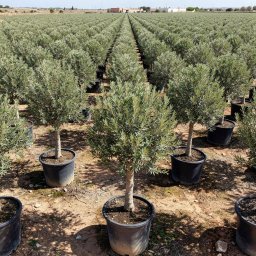
For wholesale Pistacia lentiscus nursery buyers, container sizes typically range from C3 to C25, with larger specimens requiring careful handling due to brittle branch tips. Palletised shipping is recommended for orders above 50 units. Stock is available in various sizes from our Mediterranean nursery, with lead times and availability confirmed on request.
For wholesale Pistacia lentiscus nursery buyers, container sizes typically range from C3 to C25, with larger specimens requiring careful handling due to brittle branch tips. Palletised shipping is recommended for orders above 50 units. Stock is available in various sizes from our Mediterranean nursery, with lead times and availability confirmed on request.
CARE
Pistacia lentiscus requires minimal pruning, primarily to shape or manage size in late winter before new growth emerges. Light formative pruning in the first two years encourages a dense, bushy habit. Avoid heavy pruning in autumn, as this can reduce cold hardiness in marginal climates. Fertilisation needs are low; a single application of slow-release balanced fertiliser in spring is sufficient for container or newly planted specimens.
This species demonstrates strong resistance to most common pests and diseases, with occasional susceptibility to aphids in humid conditions. No significant winter protection is needed in zones 9 and above. Long-term maintenance costs are very low, making wholesale Pistacia lentiscus an economically attractive option for large-scale landscape contractors and municipal planting projects.
This species demonstrates strong resistance to most common pests and diseases, with occasional susceptibility to aphids in humid conditions. No significant winter protection is needed in zones 9 and above. Long-term maintenance costs are very low, making wholesale Pistacia lentiscus an economically attractive option for large-scale landscape contractors and municipal planting projects.