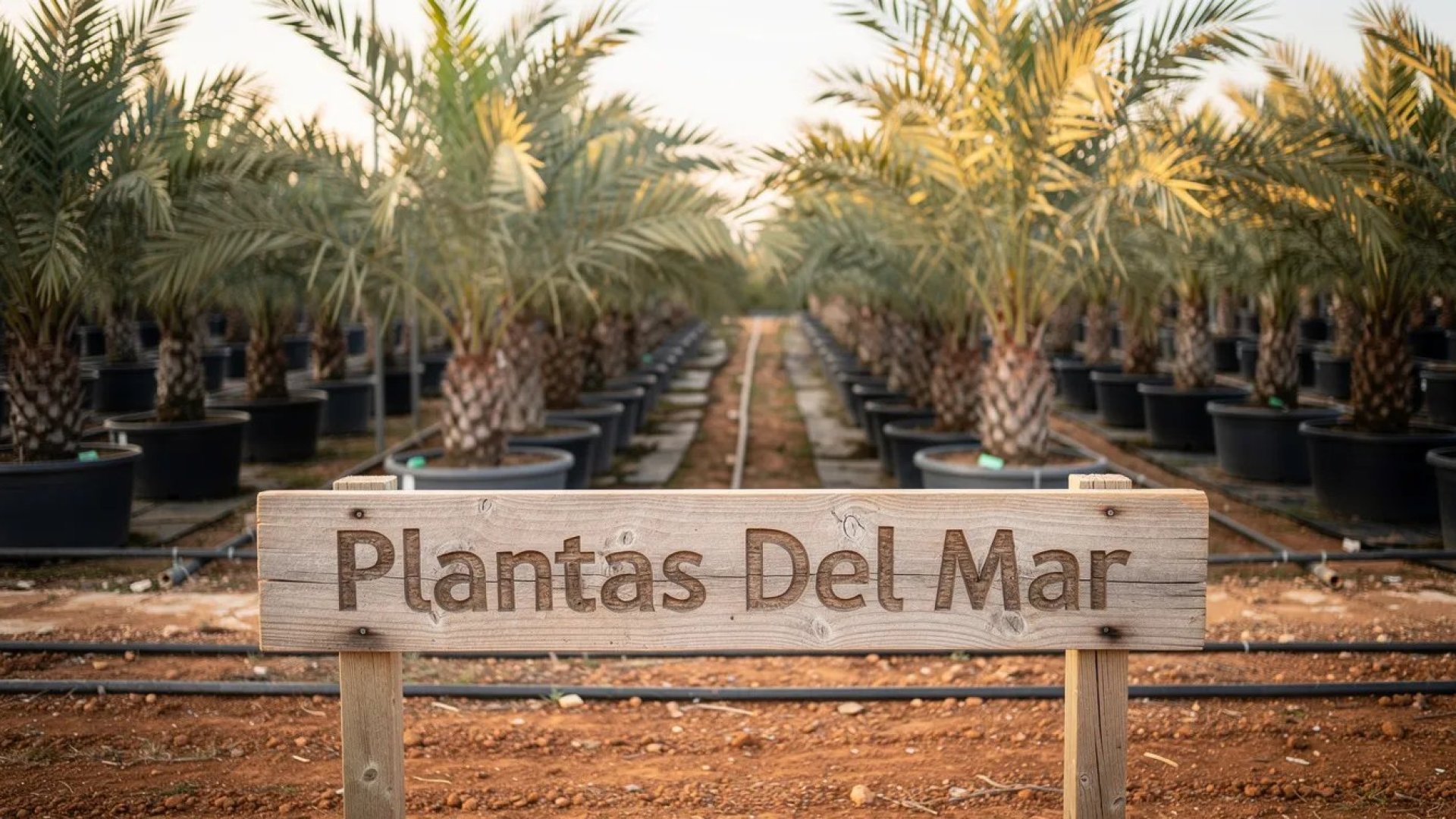
For landscapers, garden centres, and architects working on commercial projects, the gap between a beautifully drawn planting plan and a finished site often comes down to one critical factor: reliable, large-scale plant sourcing. Specifying the right Mediterranean species is only half the job. Getting them delivered on time, in the right sizes, and in the volumes your project demands is where many professionals run into trouble.
At Plantas Del Mar, where the sea meets the soil, we work exclusively with trade buyers who need more than a retail experience. This post breaks down what professional sourcing of Mediterranean plants actually looks like at scale, and how to make that process work efficiently across multiple project types.
Why Mediterranean Plants Demand a Specialist Wholesale Supplier
Mediterranean species have very specific growing requirements, and those requirements directly affect how they are cultivated, transported, and established on site. A stone pine that has been grown in the right sandy, well-drained conditions will perform very differently from one that has been raised in an unsuitable growing medium. An olive tree with a genuinely gnarled, sculptural trunk has taken decades to develop, and that character cannot be replicated by a generalist nursery cutting corners on growing time.
This is why sourcing from a specialist wholesale supplier matters so much for commercial projects. When you are ordering fifty olive trees for a resort development or three hundred lavender plants for a municipal border scheme, consistency of quality, form, and size is non-negotiable. A specialist grower understands that, and builds their entire operation around delivering it.
Understanding Volume Requirements Before You Place an Order
One of the most common mistakes trade buyers make when sourcing at scale is underestimating their quantities early in the project timeline. By the time final approvals come through, the specific sizes or cultivars they wanted are either unavailable or have increased significantly in lead time.
Working with a wholesale supplier like Plantas Del Mar means you can have early conversations about forward planning. If your landscape design calls for mature carob trees as structural anchors, or a large run of European fan palms along a seafront promenade, those conversations need to happen months before installation. Mediterranean trees grown to specification are not warehouse stock. They are living material, and planning ahead is the single most effective way to protect your project timeline.
Key Species to Plan Ahead For
- Olive Tree: Mature specimens with established trunk character require long lead times. Premium projects demand consistency in form across all units.
- Stone Pine: Large, flat-topped canopy specimens are highly sought after for resorts and parks, and availability of matched sizes is limited at any given time.
- European Fan Palm: Multi-stemmed architectural specimens take years to reach premium sizes. Booking stock in advance is strongly recommended for large coastal developments.
- Carob Tree: Increasingly specified for large-scale, low-maintenance schemes. Dense canopy specimens in substantial container sizes are in growing demand across the trade.
Matching Plant Selection to Project Type
Not every Mediterranean species suits every commercial context, and part of the value a specialist wholesale supplier brings is helping trade buyers match the right plant to the right brief. This goes beyond aesthetics and into practical performance on site.
Coastal and Seafront Developments
Salt spray, coastal winds, and fast-draining sandy soils are the defining challenges of seafront landscaping. Species that perform consistently in these conditions include the European fan palm, mastic tree, and stone pine. The mastic tree in particular is increasingly valued by landscape architects for naturalistic coastal planting schemes, thanks to its tolerance for salt and wind alongside its ornamental foliage and berries. Rosemary also performs strongly in these environments, and its dual role as an ornamental and culinary plant makes it a commercially attractive addition to hospitality and resort projects.
Resort and High-End Residential Projects
Premium outdoor spaces call for plants that deliver immediate visual impact alongside long-term performance. The bird of paradise, with its vivid orange and electric blue flowers, has become a signature plant in high-end Mediterranean landscape design precisely because it provides that dramatic statement quality that clients at this level expect. Paired with the timeless presence of a mature olive tree and the aromatic texture of lavender mass plantings, these species create outdoor environments that photograph beautifully and perform reliably year after year.
Municipal and Large-Scale Infrastructure Planting
When budgets are fixed and maintenance resources are limited, the case for Mediterranean species becomes even stronger. Carob trees, stone pines, and lavender all deliver exceptional performance in low-input environments. Their drought tolerance reduces irrigation costs, their resilience reduces replacement rates, and their visual quality lifts the character of public spaces in a way that generic planting schemes simply cannot match. For specifiers working on parks, road schemes, or urban regeneration projects, these species represent outstanding value across the full project lifecycle.
What to Look for in a Wholesale Supplier
Choosing the right wholesale supplier for a commercial project is not just about price per unit. The following criteria are worth applying to any supplier you are evaluating.
- Provenance and growing conditions: Plants raised in authentic Mediterranean growing environments establish faster and perform more reliably than those grown in unsuitable climates. Ask where stock is grown and how it is cultivated.
- Consistency across a batch: For large projects, uniformity of size, form, and health across an entire order is essential. Inspect samples or request detailed photography before committing to large volumes.
- Availability of larger specimens: A supplier who only offers young container stock cannot serve the needs of a high-specification commercial project. Access to mature and semi-mature specimens is a clear differentiator.
- Trade-only focus: A wholesaler who works exclusively with professional buyers understands your timelines, your quality requirements, and the commercial pressures you are operating under. That shared understanding makes every part of the sourcing process more efficient.
- Forward planning and communication: A good wholesale partner will flag stock availability issues early, offer alternatives when needed, and keep you informed at every stage of an order.
Building a Long-Term Sourcing Relationship
The most effective trade buyers do not treat plant sourcing as a series of one-off transactions. They build ongoing relationships with a small number of trusted wholesale suppliers who understand their business and their project pipeline. Over time, that relationship delivers real commercial advantages: priority access to sought-after stock, more accurate lead time planning, and a supplier who knows your quality standards without needing to be briefed from scratch every time.
At Plantas Del Mar, our entire model is built around supporting professional buyers at every stage of the commercial project cycle. From early specification conversations through to delivery on site, we bring the same commitment to quality and reliability that our clients bring to their own projects. If you are working on a commercial landscape project and want to discuss your plant sourcing requirements, we would be glad to hear from you.